
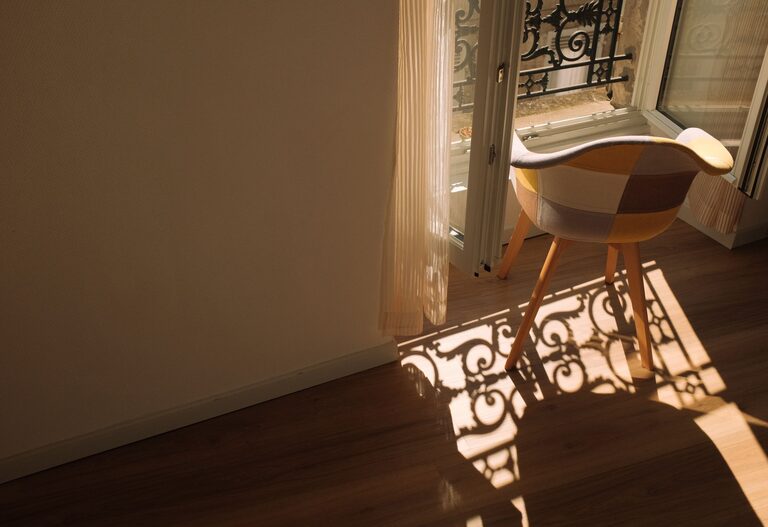
Quick Ideas to Brighten a Dark Room
A dark room can feel smaller, quieter, and less inviting than the rest of your home. The good news is that you do not need a major renovation to make it brighter. A few thoughtful changes to the walls, lighting, furniture, and accessories can help the space feel more open and comfortable.
Whether the room has limited windows or simply receives little natural light, these practical ideas can create a lighter atmosphere without making the space feel plain.
Start With the Walls
Choose Light, Warm Colors
Paint is one of the quickest ways to change the mood of a room. Soft shades of white, cream, pale beige, light gray, and muted blue can reflect more light and make the walls feel less heavy.
Very bright white is not always the best choice for a dark room. In spaces with little natural light, cool white can sometimes look flat or gray. A warm white or soft neutral often creates a more welcoming appearance.
Before painting the entire room, test a few sample colors on different walls. Check them during the morning, afternoon, and evening because artificial light can change how the color looks.
Consider a Glossy or Satin Finish
A satin or eggshell paint finish can reflect a small amount of light and add a gentle glow to the walls. These finishes are also easier to clean than flat paint, making them useful for hallways, kitchens, and busy living spaces.
Avoid using a highly glossy finish on every wall, as it can highlight uneven surfaces. A subtle sheen is usually enough to support a brighter look.
Improve the Lighting
Layer Several Light Sources
One ceiling light may not be enough to brighten a dark room. Instead, combine different types of lighting to spread illumination across the space.
Try using:
– A ceiling fixture for general lighting
– Floor or table lamps for soft, local light
– Wall sconces to brighten vertical surfaces
– Under cabinet lights in work areas
– Small accent lights to highlight artwork or shelves
Layered lighting gives you more control and helps prevent dark corners. It also allows the room to feel comfortable at different times of day.
Select the Right Bulbs
The color temperature of a light bulb affects the room’s overall feel. Warm white bulbs create a cozy atmosphere, while neutral white bulbs offer a cleaner and more energetic appearance.
For most living areas, bulbs in the warm to neutral range work well. In a workspace or kitchen, a slightly cooler light may help the room feel more active. Check the bulb packaging for information about color temperature and brightness.
Use matching bulbs in fixtures that are visible together. Consistent lighting can make the room look more polished.
Brighten the Ceiling
The ceiling is often overlooked, but it can influence how light moves through a room. A light-colored ceiling helps reflect illumination downward and can make the room feel taller.
If the ceiling is painted a dark color, consider switching to a soft white or pale neutral. You can also select a light fixture with an upward-facing shade to bounce light toward the ceiling.
Use Mirrors Strategically
Mirrors can make a dark room feel larger and help reflect available light. Place one across from or near a window to spread natural light throughout the space.
A large mirror can become a focal point above a sofa, console table, or fireplace. If you prefer a more relaxed look, group several smaller mirrors together.
Keep the reflection in mind before choosing a location. A mirror is most useful when it reflects a window, a light fixture, or an attractive part of the room. Avoid placing it where it reflects clutter or an awkward corner.
Choose Light-Reflective Furniture
Furniture with pale upholstery, light wood, glass, or metal details can help the room feel brighter. You do not need to replace everything. Instead, focus on the largest or darkest pieces first.
For example, you could:
– Add a light slipcover to a dark sofa
– Replace a heavy coffee table with a glass or light wood option
– Use a pale area rug to define the seating area
– Select furniture with raised legs to show more floor
– Swap dark cabinet hardware for a lighter finish
Furniture with visible space underneath can make the floor feel more open. This can be especially helpful in small rooms where bulky pieces may block light.
Add Light-Colored Textiles
Textiles are simple to change and can have a noticeable effect. Curtains, rugs, pillows, and throws in light shades can soften the room while adding visual brightness.
Choose curtains that are close to the wall color, especially if the room is small. Hang them slightly above the window frame and extend the rod beyond the window on both sides. This allows more natural light into the room when the curtains are open.
Sheer curtains can filter daylight without blocking it completely. If privacy is important, pair them with a second layer that can be closed at night.
Keep Windows Clear
Even a small window can provide useful light, so avoid covering it with unnecessary items. Move tall furniture away from the window when possible, and keep the sill free from large decorations.
Clean windows regularly to remove dust and fingerprints that can reduce the amount of light entering the room. Trim nearby plants or branches if they block daylight from outside.
If privacy is a concern, consider a light-filtering shade rather than heavy curtains. This allows the room to receive more daylight while still offering coverage.
Reduce Visual Clutter
A room can feel dark even when it has adequate lighting if too many objects compete for attention. Open surfaces and clear pathways help light move through the space and make the room feel more spacious.
Start by removing items that you no longer use. Then group the remaining accessories instead of spreading them across every surface. Baskets, boxes, and storage benches can keep everyday items organized while adding texture.
Leave some shelves and tabletops partially open. A little empty space can make the entire room look calmer and brighter.
Add Reflective Accents
Small reflective details can help distribute light without making the room feel overly shiny. Look for accessories such as:
– Glass vases
– Metallic picture frames
– Ceramic lamps
– Polished trays
– Light-colored mirrors
– Furniture with brushed metal legs
Use these accents selectively. A few well-placed reflective pieces usually look more intentional than a room filled with glossy surfaces.
Bring in Natural Elements
Plants can add life and contrast to a room, even when the space is not especially bright. Choose varieties suited to the amount of light available, and place them where they will not block windows or lamps.
Light-colored planters can contribute to the room’s brighter appearance. You can also use flowers, branches, or natural materials such as rattan and pale wood to add warmth without making the space feel heavy.
If the room receives very little daylight, use decorative natural elements that do not require sunlight, such as dried grasses or simple woven accessories.
Make Small Changes First
You can brighten a dark room gradually rather than changing everything at once. Start with the easiest updates, such as replacing heavy curtains, adding a lamp, moving furniture away from the window, or introducing a light-colored rug.
After each change, observe how the room feels during both daylight and evening hours. This helps you see which updates make the biggest difference.
The most effective approach usually combines several simple ideas: light walls, layered lighting, clear windows, reflective details, and less visual clutter. Together, these changes can make a dark room feel brighter, more spacious, and more welcoming.
